Table of Contents
Defusing Disaster: Oil Transfer from FSO SAFER to Turn Off the Ticking Time Bomb
The Urgency of the FSO SAFER Crisis
After eight years of neglect and numerous false alarms, the hazardous operation to remove over a million barrels of oil from the decaying supertanker FSO SAFER is finally set to begin off the coast of war-torn Yemen in the Red Sea. This impending operation is of paramount importance due to the imminent environmental and humanitarian threats posed by the deteriorating condition of the tanker.
A Catastrophic Ticking Time Bomb
The FSO SAFER is a massive Floating Storage and Offloading (FSO) facility that has been neglected since 2015. Without regular maintenance, the risk of a leak or explosion is dangerously high. A rupture in the vessel’s hull or an explosion could result in an oil spill up to four times larger than the infamous Exxon Valdez disaster in 1989. Such a catastrophe would exacerbate the already dire humanitarian crisis in Yemen, hindering access to vital ports and impeding the delivery of aid and food supplies.
The Potential Environmental and Humanitarian Catastrophe
An oil spill in the Red Sea would have far-reaching consequences, impacting fragile coastal communities, the tourism industry, and marine life. The effects would extend beyond Yemen’s borders, causing devastating harm to health, livelihoods, and ecosystems. It is imperative that immediate measures are taken to prevent this potential disaster.
Responsibility and Accountability
While it is difficult to determine the exact culprits behind the neglect of the FSO SAFER, it is likely that the oil currently on board the tanker comes from the Marib Basin producers and their subsidiaries and shareholders, including Occidental, OMV, Sinopec Group, TransGlobe Energy Corporation, ExxonMobil, and TotalEnergies. These transnational polluters should bear the estimated $140 million cost of the salvage operation. However, the burden has largely fallen on UN members, the private sector, and individuals from around the world who have contributed $121 million, with another estimated $22 million still needed. Considering the record profits of companies like TotalEnergies, who announced a cash flow of over $9 billion in the first quarter of this year, the cost of the salvage operation seems relatively small compared to the potential $20 billion cost of an oil spill.
Polluters Must Pay
Occidental, OMV, Sinopec Group, TransGlobe Energy Corporation, ExxonMobil, and TotalEnergies, among the most polluting corporations in the world, should not only bear the financial responsibility for this salvage operation but also for their historical contributions to climate change and future extreme weather events. These companies, along with others like them, should commit to providing annual payments to compensate communities directly and indirectly impacted by their operations. Yemen’s coastal communities, which rely on the sea for survival and fishing as a primary source of income, should not be forced to bear the consequences of Big Oil’s disregard for human life and the environment.
Avoiding Catastrophe
While there may not be a happy ending to this story, it is crucial to take the necessary steps to avoid a catastrophic outcome. The oil transfer operation, though not without risks, presents the best opportunity in years to mitigate at least one of the threats facing the people of Yemen. The FSO SAFER crisis serves as a poignant reminder of the urgent need to transition away from fossil fuels and hold oil corporations accountable for the damage they have caused. It is time for the oil industry to take responsibility, financially compensate for the harm inflicted, and adopt ambitious measures to transition to cleaner, sustainable energy sources.
Don’t Look Away, Demand Accountability
As the FSO SAFER crisis unfolds, it is important not to turn a blind eye to the people of Yemen and the Red Sea. It is time to hold oil companies accountable and demand that polluters pay for the damage caused, rather than burdening the already vulnerable communities. Together, we can ensure a more just and sustainable future.
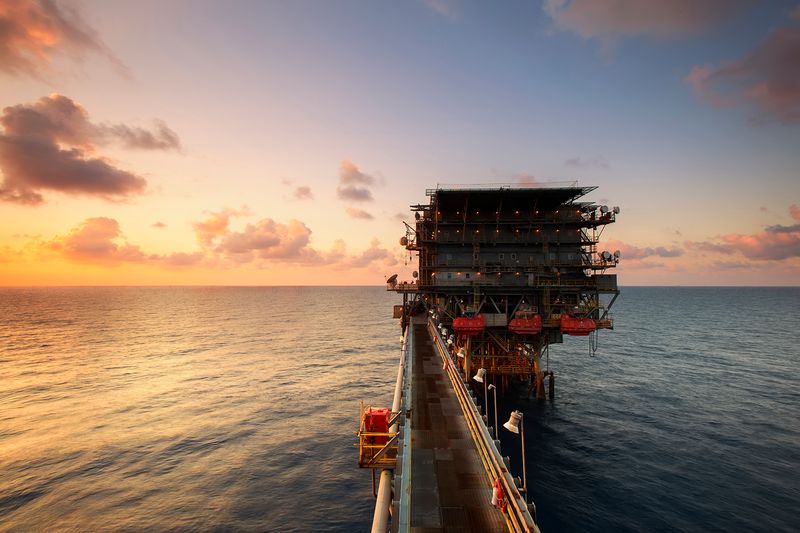
<< photo by Zukiman Mohamad >>
The image is for illustrative purposes only and does not depict the actual situation.
You might want to read !
- Extreme Heat: A Silent Threat to Maternal Health and Reproductive Rights
- Perils of Progress: Intolerance and Intimidation Force LGBT Conference in Indonesia to Suspend Operations
- The Importance of Restraint: Balancing Authority and Accountability in Bangladesh’s Protests
- UN Launches Ambitious Operation to Secure Abandoned FSO SAFER in Red Sea