Table of Contents
Gaza Power Plant Shutdown Exacerbates Humanitarian Crisis
Introduction
The recent shutdown of Gaza‘s only power plant by Israeli authorities has plunged the already devastated Gaza Strip into an even more desperate humanitarian crisis. With over 2.2 million people trapped in the area, the power outage comes amid a massive bombing campaign by Israel that has caused widespread death and destruction. Amnesty International has condemned the Israeli authorities’ actions, calling it collective punishment and a war crime. The blackout will not only limit communications and access to the internet but also have severe implications for essential services, access to clean water, and public health. Additionally, it puts hospital patients, including those with chronic conditions and newborn babies, at risk. The Israeli authorities have explicitly stated that they will not restore power or allow essential supplies until Hamas releases hostages, confirming that civilians in Gaza are being punished for the actions of Palestinian armed groups. Amnesty International emphasizes that civilians should not be held responsible for the crimes of armed groups and calls for the immediate restoration of Gaza‘s electricity supply, the lifting of the blockade, and the establishment of humanitarian corridors for aid delivery.
Background
The ongoing conflict between Israel and Gaza-based armed groups is not a recent development. Since 2007, Israel has imposed a blockade on the Gaza Strip, severely restricting the movement of goods and people in and out of the area. This collective punishment of the entire population has resulted in numerous military operations over the years, with the current crisis being the sixth major conflict since the imposition of the blockade.
In June, Amnesty International published an investigation into the May 2023 offensive on the Gaza Strip, highlighting Israel‘s unlawful destruction of Palestinian homes and the use of collective punishment against the civilian population. In a previous report from February 2022, Amnesty International documented how Israeli forces committed acts prohibited by international law, including the Statute of the International Criminal Court and the Apartheid Convention. The report concluded that these actions constituted the crime against humanity of apartheid.
Editorial: Responsibility and Accountability
The situation in Gaza is an undeniable humanitarian catastrophe. The Palestinian civilian population is caught in the crossfire of an age-old conflict, enduring unimaginable suffering and loss. While it is essential to condemn the indiscriminate rocket attacks by Hamas and other armed groups, it is equally crucial to hold the Israeli authorities accountable for their actions.
Israel, as the occupying power, holds the clear obligation under international law to ensure the basic needs of Gaza‘s civilian population are met. The continued collective punishment of civilians in Gaza serves no purpose but to further perpetuate cycles of violence while undermining any prospects for peace. The recent power plant shutdown only adds to the already dire situation, leaving hospitals without vital medical equipment and endangering the lives of vulnerable individuals.
Collective Punishment: A Cruel and Ineffective Tactic
The concept of collective punishment, targeting an entire population for the actions of a few, is both fundamentally unjust and strategically flawed. By punishing innocent civilians, Israel not only violates international law but also fuels resentment and radicalization. It is essential to recognize that Palestinian civilians should not bear the burden of the crimes committed by armed groups. Holding an entire population hostage only deepens the divide and prevents any meaningful progress towards a peaceful resolution.
Moving Towards Accountability
To prevent further suffering and loss of life, it is imperative that all parties involved prioritize accountability and the protection of civilians. Israel must take immediate steps to restore electricity to Gaza, lift the blockade, and ensure access to essential supplies and services. The international community, including key actors such as the United Nations, must actively work towards the establishment of humanitarian corridors to facilitate aid delivery and access to medical care.
Furthermore, both Israel and armed groups like Hamas must respect international humanitarian law, which requires them to take all feasible precautions to spare civilians. Any unlawful attacks or violations of the rules of war must be independently investigated, and those responsible held accountable for their actions.
The Role of the International Community
The international community bears a shared responsibility in addressing the dire situation in Gaza. Governments, individuals, and organizations must exert pressure on Israel to abide by international law and end the suffering of the civilian population. Diplomatic efforts must be intensified to negotiate a lasting solution that respects the rights, dignity, and security of all individuals in the region.
In conclusion, the power plant shutdown in Gaza exacerbates an already desperate humanitarian crisis, leaving millions of people in darkness, without access to essential services, clean water, and medical care. The international community must act urgently to hold all parties accountable, stop the cycle of violence, and work towards a just and lasting resolution to the Israeli-Palestinian conflict.
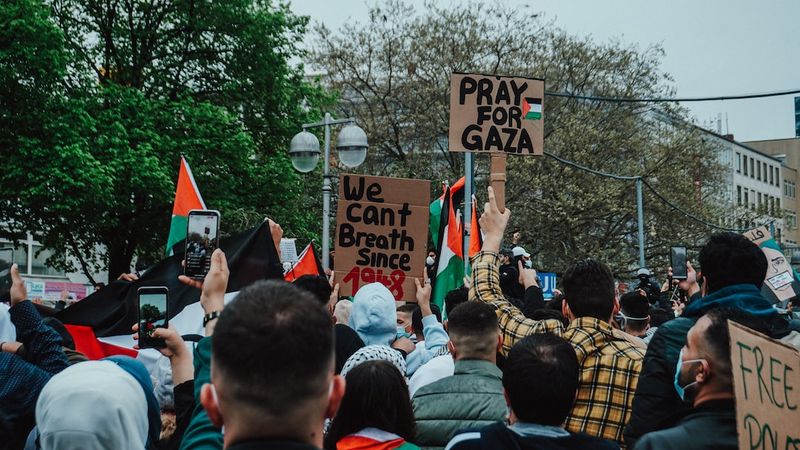
<< photo by Rami Gzon >>
The image is for illustrative purposes only and does not depict the actual situation.
You might want to read !
- A Critical Examination of UK’s Decision to Abandon Rwanda Asylum Transfer Plan
- Examining the Aftermath: How Will Israel Respond to the Hamas-Led Attack Taking Hundreds of Lives?
- The Escalating Threat to Human Rights in Russia: The Conviction of a Prominent Activist
- “Unleashing the Unprecedented: The mounting death toll and civilian suffering in Israel and Gaza”
- Israel’s Judiciary: Striking a Balance Between Law and Discrimination
- The Humanitarian Crisis in Aleppo: Balancing Building Safety and Preventing Forced Evictions
- New Title: Amidst Escalating Tensions, A Deadly Hamas-Led Attack Devastates Southern Israel
- The crumbling faith in the UK’s asylum transfer plan for Rwanda