The year 2022 saw a significant number of global protests that were brutally suppressed, resulting in deaths and injuries due to the misuse of tear gas. Amnesty International, in its updated report, Tear Gas: An Investigation, has documented 30 new incidents in 13 countries where police and security forces caused harm by inappropriately using tear gas. Since launching the interactive website in 2020, the organization has verified incidents of tear gas misuse in more than 115 countries and territories, including countries such as France, India, Myanmar, and the USA.
Table of Contents
Deaths, Injuries, and Protests
The misuse of tear gas has resulted in deaths and injuries in several countries. In Iran, hundreds of protesters and bystanders were unlawfully killed by security forces, including dozens of children, during localized and nationwide protests, where tear gas was excessively used along with live ammunition, metal pellets, and water cannons. In Peru, during widespread protests, the Army and the National Police unlawfully fired lethal and less-lethal weapons against bystanders, protesters, and those providing first aid to injured people. State repression led to 49 deaths from December 2022 to February 2023. In Sri Lanka, the misuse of tear gas and water cannon caused at least one death and affected protesters and bystanders, including children. Tear gas was also fired at peaceful protesters in Kherson, Ukraine, demanding an end to the Russian occupation of their city.
Open-Source Investigation and Regulation
Amnesty International’s Crisis Evidence Lab began researching tear gas misuse in 2019, primarily through analyzing videos posted on social media. However, there are no agreed international regulations on the trade in tear gas and other chemical irritants, despite its widespread misuse. Consequently, few states provide public information on the quantity and destination of tear gas exports, hampering independent oversight. Amnesty International and the Omega Research Foundation have campaigned for more than two decades for greater controls on the production, trade and use of tear gas and other law enforcement equipment and weapons. The EU has introduced trade controls on some types of equipment, and the UN and the Council of Europe have recognized the need to regulate the export of law enforcement equipment, which can be used for torture or other ill-treatment.
The Role of Philanthropy
The report highlights the need for philanthropy to step up and support organizations such as Amnesty International, who are working towards ending the misuse of tear gas. Funding human rights organizations that monitor, document and report on the misuse of tear gas is crucial to ensuring public awareness.
Conclusion
The widespread misuse of tear gas continues to be a grave issue. It is imperative for governments, international organizations, and philanthropy to take measures to regulate the trade, production, and use of tear gas and other law enforcement equipment and weapons. Additionally, violent crackdowns on peaceful protests must end, and protesters’ human rights must be respected. The role of philanthropy in supporting human rights organizations, such as Amnesty International, is crucial to bringing about systemic change that can prevent further misuse of tear gas, saving lives and promoting peaceful protests worldwide.
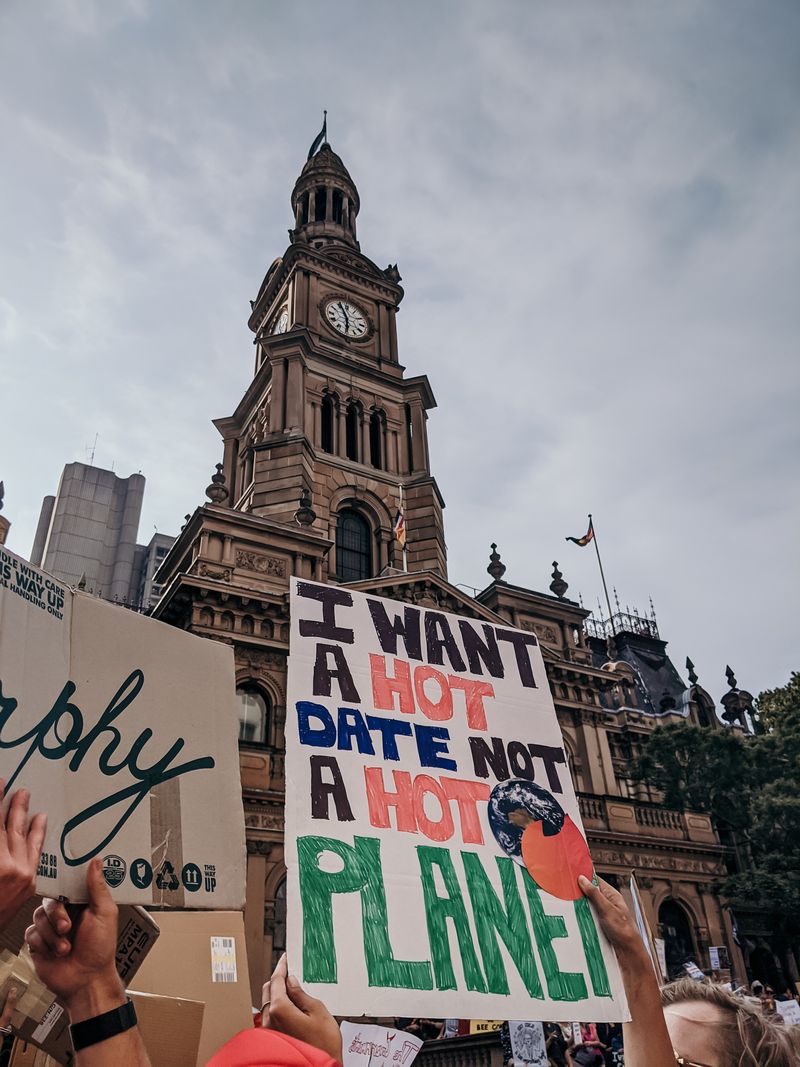
<< photo by Tiff Ng >>
You might want to read !
- “The Activism of James Wakibia: A Frontline Perspective on Kenya’s Environmental Movement” #CitizenClimate Series 05
- Indigenous Land Rights in Brazil are Under Attack
- Uncovering China’s Protest Movement: A Revealing Historical Account
- Uganda’s Anti-LGBTI Bill Approval: A Dangerous Attack on Human Rights.
- Mexican Democracy in Danger: Public Accountability and Privacy at Risk
- Greek appeal prolongs detention of refugee rescue workers Seán Binder and Sarah Mardini
- “EU Parliament Urges Tougher Regulation of Spyware to Safeguard Fundamental Rights”