Table of Contents
Dispatches: No End to Taliban Revenge Killings in Afghanistan
A New Report Unveils Grim Findings
A new report released by the United Nations details the alarming persistence of extrajudicial killings and enforced disappearances carried out by the Taliban in Afghanistan. The findings confirm long-standing fears about the treatment of former government security forces under the Taliban regime, as well as ongoing human rights violations that continue to plague the country.
The report reveals that the majority of killings and disappearances of former Afghan National Defense and Security Forces (ANDSF) took place in the immediate aftermath of the Taliban takeover in August 2021. In just four months, the United Nations Assistance Mission in Afghanistan (UNAMA) documented 148 cases of extrajudicial killings. The violence has not subsided since then, with an additional 70 killings reported between January 1 and December 31, 2022, and continued incidents documented in 2023.
The victims of these revenge killings are former police, army, and intelligence officers who served under the previous government. Many of them have been arbitrarily detained by the Taliban without any legal justification, and their families are left in the dark about their whereabouts or the reasons for their detention. Such cases constitute enforced disappearance under international law and follow a pattern of human rights abuses that have been well-documented by organizations like Human Rights Watch.
Dismissal and Denial
In response to these atrocities, Taliban officials have attempted to dismiss the killings and disappearances as acts of “personal enmity or revenge.” They downplay the numbers and have not made the results of any investigations or punishments public. While the Taliban leadership promised amnesty to former security force members upon taking power, local commanders have continued to carry out revenge attacks, undermining this pledge.
The burden now lies with the Taliban leadership to take decisive action to prevent further killings, hold those responsible accountable, and provide compensation to the victims’ families. Amnesty must not be an empty promise but a genuine commitment to reconciliation and justice.
Adherence to International Standards
These grave human rights violations, perpetrated by the Taliban, underscore the urgent need for the international community to monitor the situation in Afghanistan and hold the Taliban accountable for their actions. International bodies, such as the United Nations, must play an active role in ensuring that the Taliban adheres to international humanitarian law and upholds human rights standards.
The United Nations Assistance Mission in Afghanistan has critically documented the ongoing atrocities, shedding light on the brutality of the Taliban regime. However, more needs to be done. The international community must exert pressure on the Taliban leadership to ensure that they fulfill their commitments to end the violence and establish a just and inclusive government.
Advice: International Responsibility and Aid
As the world observes the dire situation unfolding in Afghanistan, it is crucial for nations to grapple with their responsibilities in aiding the Afghan people. Refugees and internally displaced persons are particularly vulnerable, and it is imperative that countries provide humanitarian assistance and uphold their obligations under international law.
Additionally, financial support should be directed toward organizations and initiatives that aim to protect human rights, provide aid to victims, and advocate for a more secure and inclusive Afghanistan. By supporting these efforts, governments and individuals can contribute to the restoration of peace and stability in the region.
Afghanistan‘s future hangs in the balance, and it is a moral imperative for the international community to stand united in its commitment to safeguarding human rights, fostering peace, and seeking justice for the victims of these heinous crimes.
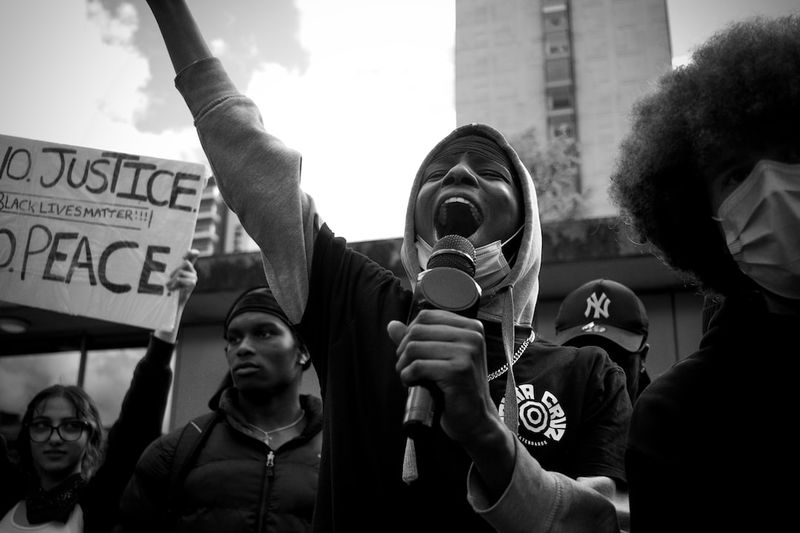
<< photo by Sushil Nash >>
The image is for illustrative purposes only and does not depict the actual situation.
You might want to read !
- Escalating Challenges: The Uncertain Fate of the Rohingya in Bangladesh and Myanmar
- Iran’s Crackdown on Women’s Rights Activists: Silencing the Voice for Equality
- “Australia’s Moral Imperative: Prioritizing Humanitarian Visas for Afghan Refugees”
- The Deadly Toll: Unraveling the Mass Killings of Migrants at Saudi Arabia’s Yemen Border
- Iran Uprising: Commemorating with Respect and Without Reprisals on One-Year Anniversary
- The Deafening Silence: Southern African Leaders Fail to Address Abuses in Mozambique
- The Rabaa Massacre: A Decade of Impunity and Shame in Egypt
- Injustice Behind Bars: The Imprisonment of a Saudi Psychiatrist
- UK-Saudi Arabia Ties: A Dangerous Dance with Repression