Table of Contents
Iran Authorities Execute 173 People Convicted of Drug-Related Offences
According to a report by Amnesty International, Iran authorities executed at least 173 people convicted of drug-related offences in the first five months of 2023, nearly three times more than this time last year. These systematic and unfair trials predominantly impacted people from marginalized and economically disadvantaged backgrounds. Executions for drug-related offences make up two-thirds of all the executions carried out in Iran and have disproportionately impacted members of Iran‘s persecuted and impoverished Baluchi ethnic minority, who make up only five per cent of Iran‘s population but account for around 20 per cent of the recorded executions.
The Shameless Rate of Executions
Amnesty International criticized the lack of humanity and flagrant disregard for the right to life demonstrated by the Iranian authorities. “States and intergovernmental bodies must condemn the Iranian authorities, in the strongest terms, for these arbitrary executions, call for an official moratorium on all executions, send representatives to visit prisoners sentenced to death, and seek attendance at trials involving capital crimes,” said Diana Eltahawy, Amnesty International’s Deputy Director for the Middle East and North Africa. Moreover, the report calls for urgent action by the international community to ensure that cooperation in anti-drug trafficking initiatives does not contribute, directly or indirectly, to the arbitrary deprivation of life and other human rights violations in Iran.
War on the Poor
Most impacted by the death penalty are the poor and vulnerable, who are often unaware of their rights and cannot afford independent legal representation. Families of those executed frequently struggle with the dire economic consequences of losing breadwinners and being heavily indebted from legal fees. Drug-related executions often follow flawed investigations by Iran’s anti-narcotics police and other security bodies. Trials for drug-related offences are held before Revolutionary Courts and are systematically unfair, with detainees denied due process rights, including access to legal representation and torture-tainted “confessions” used as evidence to convict them.
Flawed Investigations and Systematic Unfair Courts
According to one death row prisoner, “The judges in Revolutionary Courts will ask if the drugs are yours and it makes no difference if you say yes or no. The judge at my trial told me to be quiet when I said the drugs were not mine. He said my sentence was death and ordered me to sign a document accepting it. He didn’t even allow my lawyer to speak in my defence.” Moreover, trials for drug-related offences are held before Revolutionary Courts and are systematically unfair, with detainees denied due process rights, including access to legal representation and torture-tainted “confessions” used as evidence to convict them.
Capital Punishment Against International Law
The death penalty violates the right to life and is the ultimate cruel, inhuman and degrading punishment. Iran has been the second highest executioner in the world after China, and the international community has long condemned the Iranian authorities for their human rights abuses. Amnesty International opposes the death penalty in all cases without exception, regardless of the nature or circumstances of the crime.
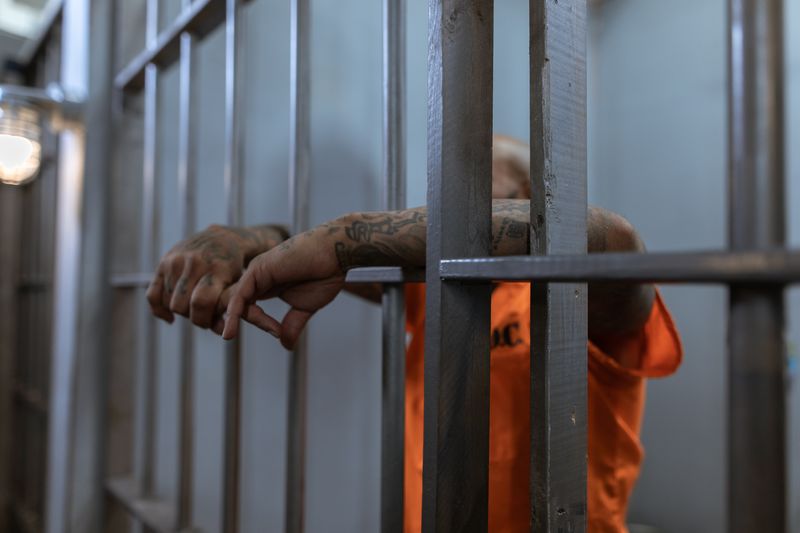
<< photo by RDNE Stock project >>
You might want to read !
- The Ongoing Tragedy of Ethnic Cleansing in Ethiopia’s Tigray Region.
- The Importance of China Acknowledging the Tiananmen Square Massacre
- Bosnia and Herzegovina War Crimes Convictions Mark a Milestone in International Justice
- Australia’s Inaction in Rescuing Citizens Trapped in Syrian Camps Sparks Outrage.
- Egyptian Academic’s Life in Danger as He Remains Detained
- Myanmar’s Long Overdue Pardons Should Only Be The Beginning: Release All Unjustly Detained Individuals
- Win for Press Freedom as Australian Court Supports Reporting Military Atrocities in Afghanistan
- Switzerland’s New Rape Law: A Groundbreaking Advancement for Human Rights
- EU Parliament Strengthens Human Rights with New Corporate Due Diligence Legislation