Table of Contents
Germany Should Keep Focus on Rights in Central Asia Talks
Introduction
On September 29, German Chancellor Olaf Scholz is set to meet with the presidents of five Central Asian countries: Kazakhstan, Kyrgyzstan, Tajikistan, Turkmenistan, and Uzbekistan. While the meeting will primarily address regional tensions, particularly in the wake of Russia’s invasion of Ukraine, it presents a crucial opportunity for Germany to address the abysmal human rights records of these countries. Central Asia has garnered increased attention due to its strategic importance and abundant resources. As Germany takes the lead in European engagement with Central Asia, it must prioritize the protection of human rights and the rule of law as essential foundations for any long-term partnership.
Background
Central Asia has long been plagued by politically motivated prosecutions, suppression of free speech, torture, and lack of accountability for human rights abuses. Recent events, such as the deadly clashes during street protests in Kazakhstan and Uzbekistan in 2022, along with attacks on civil society and independent media in Kyrgyzstan, intensified repression in Tajikistan, and the closed and repressive nature of Turkmenistan, highlight the urgent need for addressing the human rights situation in the region.
The Role and Responsibility of Germany
Germany holds a significant role in Central Asia as a leading trade and investment partner, as well as a key political advocate for the European Union’s Central Asia strategy. Given its influence and engagement in the region, Germany has a responsibility to leverage its position to emphasize the importance of upholding fundamental human rights standards and respecting the rule of law in any partnership between Europe and authoritarian states in Central Asia.
Opportunity for Engagement
The shockwaves caused by Russia’s invasion of Ukraine have prompted Central Asian leaders to seek stronger ties with alternative allies, including European countries. Germany should capitalize on this newfound engagement but must do so in a manner that prioritizes the rights and wellbeing of the people throughout the region.
Philosophical Debate: Balancing Interests and Values
Engaging with authoritarian states in Central Asia is not without its ethical challenges. Balancing economic and political interests with the promotion of human rights and democratic values requires careful consideration. Critics may argue that by engaging with these countries, even with an emphasis on human rights, Germany risks legitimizing and enabling their oppressive regimes. However, proponents of engagement would argue that meaningful dialogue, emphasizing human rights, can serve as a catalyst for change and push these governments toward greater respect for civil liberties.
Recommendations
Germany must take advantage of the upcoming talks with Central Asia’s leaders to advocate for stronger human rights protections. The following recommendations should guide Germany‘s approach:
1. Make Human Rights a Central Focus: Germany should not shy away from addressing the grave human rights violations in Central Asia during the talks. By prioritizing human rights, Germany can demonstrate its commitment to universal values and set an example for other countries.
2. Encourage Accountability: Germany should press for accountability for past human rights abuses, such as the deadly clashes during protests in Kazakhstan and Uzbekistan. Without proper accountability, perpetrators of human rights violations continue to operate with impunity.
3. Support Civil Society: Germany should provide support and solidarity to civil society organizations and independent media in Central Asia. Strengthening these voices contributes to the advancement of human rights and the protection of democratic principles.
4. Foster Cultural and Educational Exchanges: Increasing people-to-people connections through cultural and educational exchanges can help promote understanding, inclusivity, and the exchange of ideas. These exchanges can have a transformative impact on societies and contribute to long-term positive change.
5. Create Incentives for Progress: Germany should consider offering economic and political incentives to Central Asian countries that demonstrate tangible progress in upholding human rights. Positive reinforcement can be a powerful tool in encouraging change.
Conclusion
Germany‘s meeting with Central Asian leaders presents a crucial opportunity to prioritize human rights and the rule of law. By making these issues central to the discussions, Germany can play a pivotal role in promoting positive change in the region. While challenges and ethical dilemmas persist, engagement with Central Asia must be guided by a commitment to universal values and a long-term vision of a region where human rights are protected and respected.
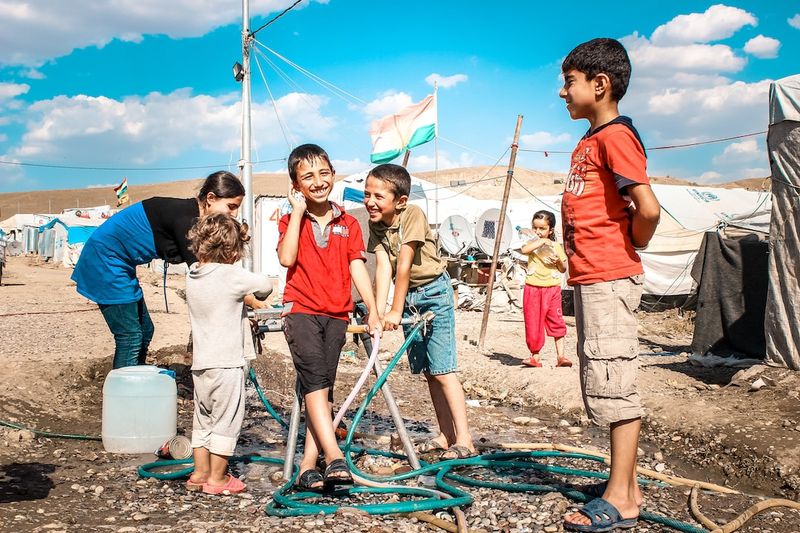
<< photo by Jonathan Ramalho >>
The image is for illustrative purposes only and does not depict the actual situation.
You might want to read !
- An Unusual Encounter: Norway’s Prime Minister Meets a Giant Octopus
- The Path to Progress: EU Approaches a Milestone Treaty to Combat Workplace Violence and Harassment
- Why Affordable and Accessible Public Transport is Essential for Social and Climate Justice
- Putting Rights at the Core: A Call for Central Asia-US Talks Focused on Human Rights
- Justice Denied: The Plight of a Wrongfully Imprisoned Lawyer in Uzbekistan
- The Climate Secrets of Energy Giant ENI: Unveiling a Surprising 70s Revelation
- EU Commission Should Take Action to Address Tunisia’s Abuses Against Migrants
- The Unsettling Reality: Egypt’s Use of Child Soldiers Draws Stern US Rebuke
- Youth Standing for Climate Justice: Landmark Case Heads to the European Court of Human Rights
- EU Leads the Way: The AI Act’s Crucial Ban on Dangerous Technologies
- Vietnam’s Climate Activist: Charges Must Be Dropped