Bangladesh has seen a rise in attacks against journalists and other individuals exerting their right to freely criticize government policies and practices. According to eight independent organizations, this poses a significant threat to the condition for open political discussion in the country, especially with elections set for January 2024.
Since the beginning of 2023, 56 journalists have reportedly been targeted by the government and its supporters. Journalists are at risk of being subjected to harassment, surveillance, and physical attacks by government supporters, as well as being arrested under the draconian Digital Security Act (DSA).
A recent example of this is the case of journalist Shamsuzzaman Shams, who was arrested under the DSA on March 30th for publishing an article about the cost of living in the country. He was accused of publishing content “tarnishing the image of the nation,” among other charges. The editor of Prothom Alo, Matiur Rahman, and the executive editor Sajjad Sharif were also sued under the act, in relation to the same article. Since its inception in 2018, at least 339 DSA cases had been filed against journalists, according to a tracker operated by the Dhaka-based think tank Centre for Governance Studies.
The authorities are also weaponizing other laws against journalists. The Bangladeshi government has blocked 54 news websites, and the Press Council, a Ministry of Interior offshoot, stopped the publication of the Dainik Dinkal, after rejecting its appeal against a government shutdown order. The authorities claim the news articles were removed from their websites to prevent the spread of “rumours” ahead of the December 2018 national election.
Moreover, there has been ongoing, pervasive impunity surrounding violence against journalists. There has been no progress made in the investigation into the 2012 murder of journalist couple Sagar Sarowar and Meherun Runi, with the Rapid Action Battalion deferring the submission of its probe report to the court at least 95 times.
The repression and curtailment of the right to freedom of expression has had a chilling effect on journalists and civil society and seriously stifles journalistic freedom. According to the 2022 World Press Freedom Index compiled by Reporters Without Borders, Bangladesh ranks at 162 out of 180, with it being the worst-performing country in South Asia.
The increased restrictions on freedom of expression in Bangladesh is a violation of Articles 39 of the country’s constitution and Article 19 of its obligation under the International Covenant on Civil and Political Rights (ICCPR). The Bangladeshi government should urgently suspend the use of the Digital Security Act pending its repeal or amendment in line with international human rights law. Furthermore, they should also conduct efficient and transparent investigations into all acts of violence against journalists, hold suspected perpetrators accountable in fair trials, drop charges against those who have been accused of exercising their right to freedom of expression, protect media freedom, and end the harassment of journalists.
The Bangladeshi authorities should ensure that people can voice criticism and concerns, both offline and online, without fearing sanctions. The government should also stop misusing laws to curtail the right to freedom of expression in Bangladesh while ensuring that the media can operate freely and independently and granting the public full and unrestricted access to news outlets.
In conclusion, curbing freedom of speech and media freedom ahead of elections in Bangladesh is an issue that needs to be addressed immediately by the government and its supporters. Failure to do so could have severe implications for the future of democratic governance in the country.
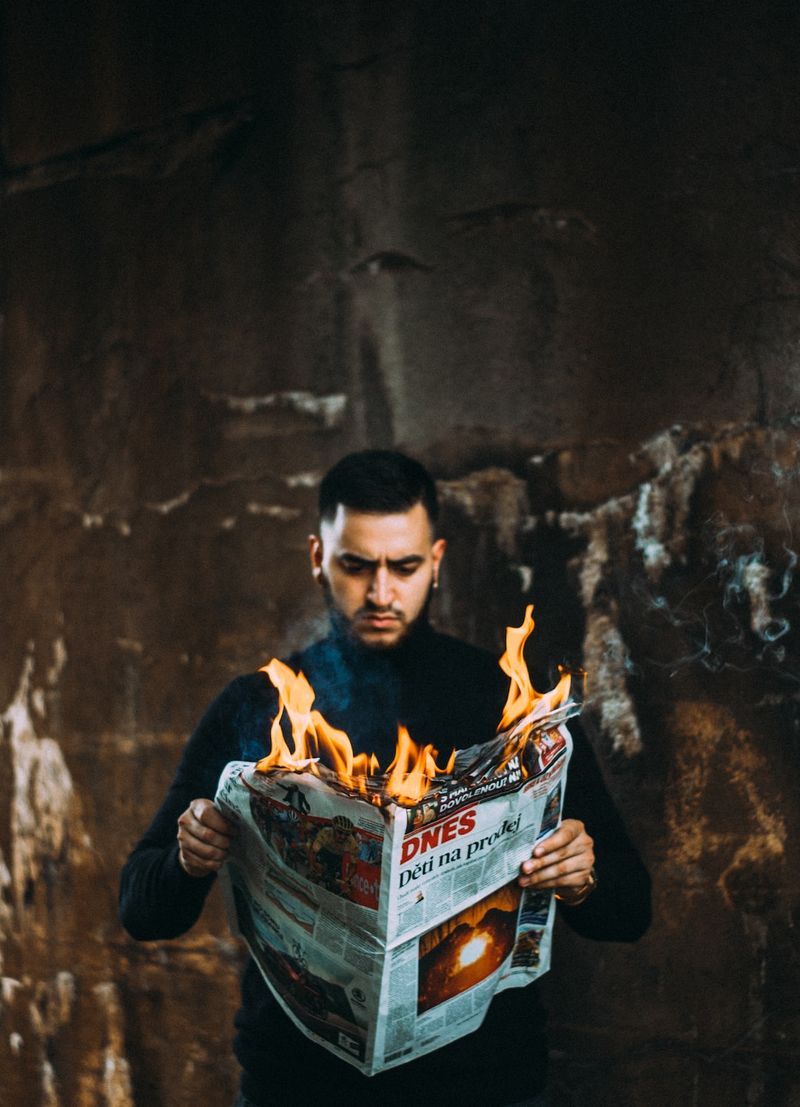
<< photo by Marek Pospíšil >>
You might want to read !
- Maldives Media Crackdown Worsens Amid Threats to Press Freedom
- Myanmar Military’s Enhanced Blast Strike Confirmed as War Crime
- Abdalle Mumin: Championing Human Rights and Media Freedom in Somalia
- “UK Government Urged to Take Action on Human Rights Concerns in Gulf Trade Agreement”
- Myanmar’s Long Overdue Pardons Should Only Be The Beginning: Release All Unjustly Detained Individuals
- The Brutal Resurgence of Corporal Punishment in Afghanistan
- Israel’s inhumane treatment of Palestinian prisoners brought to light by Khader Adnan’s death